
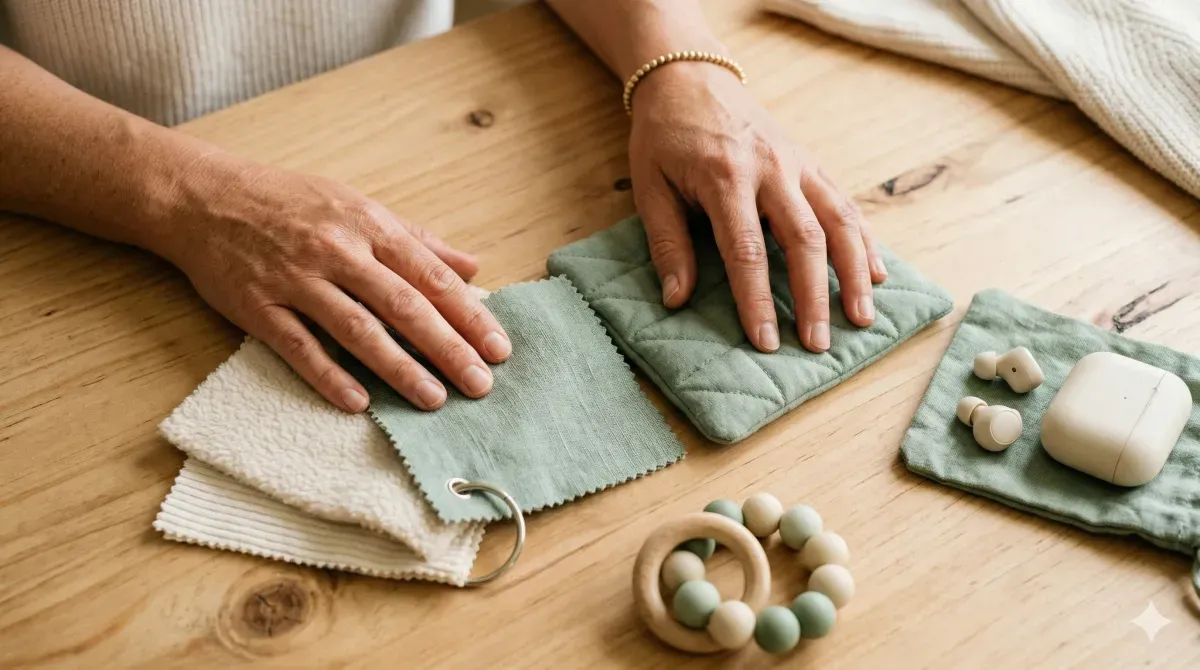
Sensory processing difficulties can affect every part of daily life - how you cope with noise in a busy office, the feel of certain clothing against your skin, or the overwhelm of a supermarket on a Saturday morning. If these experiences are familiar, you are not alone, and practical support is available.
At Flourish Health Australia, our AHPRA-registered occupational therapists provide in-home assessments and personalised sensory strategies designed around your actual life. We service Melbourne metro and surrounding areas, with telehealth sessions available across Victoria.
We work with plan-managed and self-managed NDIS participants, as well as private clients. No GP referral is required to make a referral.
Clinical review note: This article is general education from the Flourish Health OT team. Sensory processing support should be individualised. If sensory changes are new, worsening, linked with pain, seizures, dizziness, sudden hearing or vision changes, or a major change in mental health, speak with your GP or treating clinician as well as considering OT.
What Is Sensory Processing?
Sensory processing is how your brain receives, organises, and responds to information from your environment and your body. Most people picture the five traditional senses, but your brain actually manages eight sensory systems simultaneously. Understanding all eight is the starting point for making sense of sensory difficulties.
The Eight Sensory Systems
1. Visual (sight) - Processes light, colour, contrast, movement, and spatial relationships. Adults with visual processing differences may find fluorescent lighting physically painful, struggle with visually cluttered environments, or have difficulty tracking moving objects.
2. Auditory (hearing) - Processes sounds, pitch, volume, rhythm, and the direction sound comes from. Also handles auditory filtering - the ability to pick out a single voice in a noisy room. When disrupted, environments like open-plan offices or shopping centres become genuinely distressing.
3. Tactile (touch) - Processes pressure, temperature, pain, vibration, and texture through skin receptors. One of the systems most commonly affected in sensory processing difficulties. Adults may find clothing tags unbearable, avoid certain fabrics, or have strong reactions to unexpected physical contact.
4. Gustatory (taste) - Processes flavours and oral textures. Adults with gustatory sensitivities may have a restricted diet based on texture, avoid slimy or mushy foods, or seek intense flavours. Overlaps closely with olfactory and tactile processing.
5. Olfactory (smell) - Processes scents and chemical signals, with a direct connection to the brain’s emotional centres. Adults with olfactory sensitivities may struggle with perfumes, cleaning products, or environments where multiple scent sources overlap.
6. Proprioception (body awareness) - Proprioception tells you where your body parts are in space without looking at them, using receptors in your muscles, joints, and connective tissue. It allows you to type without watching your fingers or walk without staring at your feet. When proprioception is unreliable, people may appear clumsy, use too much or too little force with objects, or seek out heavy physical input like intense exercise, firm hugs, or weighted blankets.
7. Vestibular (balance and movement) - Located in the inner ear, the vestibular system detects head position, movement through space, and gravity. It works closely with vision and proprioception to keep you balanced and coordinated. Adults with vestibular differences may feel motion sick easily, dislike escalators or lifts, or conversely seek out intense movement like spinning or fast driving.
8. Interoception (internal body signals) - Interoception tells you what is happening inside your body: hunger, thirst, heart rate, temperature, pain, and the need to use the bathroom. Crucially, it is closely linked to emotional regulation - recognising that your heart is racing and your chest is tight is how you identify anxiety. When interoception is unreliable, adults may forget to eat or drink, struggle to identify emotions before they escalate, or have difficulty with self-care routines.
For most people, these eight systems work together seamlessly. When one or more systems process information differently - registering input too intensely, not strongly enough, or inconsistently - the result can be sensory overwhelm, avoidance, seeking, or under-registration, all of which affect daily functioning.
The same sensory input can also have different effects depending on context. A cafe might be manageable on a quiet weekday morning and unbearable on a busy Saturday. A shirt fabric might be tolerable for an hour but impossible after a long workday. OT assessment looks for these patterns rather than assuming one strategy will work all the time.
Understanding Sensory Processing Patterns
Occupational therapist Winnie Dunn’s Adolescent/Adult Sensory Profile, one of the most widely used assessment tools in clinical practice, identifies four broad patterns based on how your neurological threshold interacts with your behavioural response:
- Low registration - You may miss or be slow to notice sensory input, like not hearing someone calling your name or failing to notice temperature changes
- Sensation seeking - You actively seek intense input to meet your nervous system’s needs, such as craving spicy food, preferring loud music, or constant fidgeting
- Sensory sensitivity - You notice input that others filter out, finding clothing textures distracting or feeling overwhelmed by environments that seem normal to others
- Sensation avoiding - You actively limit sensory exposure by avoiding overwhelming environments, controlling your surroundings, or withdrawing from triggering situations
Most people have a mix of patterns across different sensory systems. You might be a sensation seeker with proprioceptive input (craving heavy exercise) while also being sensory sensitive to auditory input (struggling with background noise). This is why a thorough, individualised assessment matters more than a general label.
This is also why internet lists of “sensory tools” can be hit and miss. Weighted items, fidgets, headphones, compression clothing, movement breaks, and lighting changes can all be useful for some people, but the wrong input at the wrong time can increase distress. The clinical task is to match the input to the person’s sensory profile, activity demands, and environment.
Signs of Sensory Processing Difficulties in Adults
Sensory processing difficulties are not always obvious in adults who have spent years developing coping strategies. Common signs include:
- Being easily overwhelmed or distressed by background noise, crowds, bright lights, or strong smells
- Difficulty tolerating certain clothing textures, labels, or seams
- Avoidance of specific foods based on texture or temperature rather than taste
- Difficulty concentrating in environments with unpredictable sensory input (open-plan offices, shopping centres, public transport)
- Frequently feeling uncoordinated, clumsy, or unaware of your body position in space
- Seeking intense physical input - tight clothing, deep pressure, heavy exercise - to feel regulated
- Difficulty reading internal signals like hunger, thirst, or the need for rest
- Meltdowns, shutdowns, or intense distress in response to sensory triggers
- Chronic fatigue from the effort of managing sensory input throughout the day
- Social withdrawal or avoidance of activities you once enjoyed because of sensory demands
These experiences reflect a neurological difference in how the brain processes incoming information. Dr A. Jean Ayres, who pioneered sensory integration theory in the 1970s, described it as a “traffic jam” in the brain - sensory signals arrive but are not efficiently organised for use.
For adults, the impact often shows up as lost participation rather than a neat symptom list. Someone may stop grocery shopping independently because the lights, noise, and decision-making load are too much. Another person may avoid family events because conversation, touch, smell, and background music stack together. These are functional impacts, and they are the reason sensory processing belongs in an OT conversation.
How Occupational Therapy Addresses Sensory Processing
Occupational therapy is the primary allied health profession for assessing and treating sensory processing difficulties, grounded in Ayres’ sensory integration theory and supported by ongoing research from bodies such as the American Occupational Therapy Association (AOTA) and Occupational Therapy Australia. Our approach is practical, evidence-informed, and built around your daily life.
Sensory Assessment
Your OT conducts a thorough assessment of your sensory profile - how you respond across each sensory system, in which environments, and with what functional impact. Assessment typically includes:
- Standardised tools such as the Adolescent/Adult Sensory Profile (AASP), developed by Winnie Dunn, which maps your responses across the four sensory processing quadrants
- Structured clinical interview about your daily routines, challenges, and goals
- Clinical observation of how you respond to sensory input in your natural environment
- Environmental assessment - a home or workplace visit to see how your physical surroundings contribute to your sensory experience
For NDIS participants needing a formal capacity assessment, sensory processing can be included as part of a broader functional evaluation.
A useful sensory assessment should connect sensory patterns to daily tasks. For example, it should not only record that noise is difficult; it should explain whether noise affects meal preparation, sleep, community access, communication, work, parenting, self-care, or emotional regulation. That connection is what makes the recommendations practical.
Personalised Sensory Diet
A sensory diet is not a food diet. The term was coined by occupational therapist Patricia Wilbarger and refers to a carefully planned schedule of sensory activities tailored to your nervous system’s needs throughout the day, much like a nutritional diet meets your body’s food needs.
Your OT designs your sensory diet based on whether you need more alerting or calming input at different times:
- Alerting activities (for sluggishness or under-responsiveness) - brisk exercise, crunchy or sour foods, cold water, upbeat music, peppermint or citrus scents
- Calming activities (for overwhelm or over-stimulation) - deep pressure, slow rhythmic movement, warm drinks, soft lighting, white noise
- Organising activities (for focus and concentration) - chewing gum, resistance exercises, fidget tools, structured movement breaks
The key principle is that a sensory diet is individualised. What calms one person may overwhelm another. Your OT works with you to find the right combination, intensity, and timing for your specific profile.
Environmental Modifications
Often, the most effective intervention is changing the environment rather than the person. Your OT helps identify practical modifications at home, work, or in community settings - lighting, workspace layout, noise management, clothing adjustments, or reorganising rooms to reduce visual clutter.
Examples may include creating a low-demand recovery space, reducing visual clutter in meal preparation areas, changing where important items are stored, using warmer lighting, planning quieter shopping times, setting up a predictable work zone, or building a transition routine after community activities. The right recommendation depends on the person’s goals and living situation.
Interoception and Body Awareness Training
Many adults with sensory processing difficulties struggle to read their body’s internal signals. Your OT works on building interoception awareness - helping you recognise what your body is communicating about hunger, fatigue, emotion, and pain.
Coping Strategies for Unavoidable Environments
Not every environment can be modified. Your OT helps you develop a toolkit for managing sensory load in unavoidable situations - commuting, medical appointments, social events, and workplaces - without relying on avoidance alone. This might include portable sensory tools, pre-planning strategies, recovery routines, and communication scripts for explaining your needs.
Planning matters because sensory capacity is not unlimited. An OT may help you pace sensory demands across the week, build recovery time after high-demand activities, or decide which tasks should happen before a known trigger rather than after it. For many adults, the most helpful change is not one tool, but a realistic plan that reduces the number of overload points in the day.
Education for Support Networks
Your therapist can also educate family members, partners, housemates, or support workers so the people around you understand your sensory needs and can actively support your strategies.
Who Benefits from Sensory Processing OT?
Sensory processing difficulties are not just a children’s issue. Many adults live with sensory challenges, sometimes without ever having had them identified. They are commonly associated with:
- Autism spectrum conditions - sensory differences are a diagnostic criterion for autism, affecting the majority of autistic adults
- ADHD - sensory sensitivity and sensory seeking are common in adults with ADHD, often contributing to difficulty with focus, emotional regulation, and overwhelm
- Anxiety disorders - anxiety and sensory processing difficulties frequently co-occur and amplify each other
- Trauma and PTSD - trauma can alter sensory processing, leading to hypervigilance, sensory overwhelm, or numbing
- Psychosocial disability - sensory modulation approaches are increasingly used in mental health settings to reduce distress and support recovery
- Acquired brain injury or stroke - damage to sensory processing areas of the brain can change how you experience input
- Chronic pain conditions - pain and sensory processing are closely interlinked through shared neurological pathways
- Ageing and neurological conditions - changes to sensory processing are common with ageing, dementia, and Parkinson’s disease
You do not need a formal diagnosis to access sensory processing OT. If sensory experiences are affecting your daily functioning, that is enough reason to explore support.
Sensory support can also sit alongside other therapies. Psychology may help with anxiety, trauma, or emotional meaning attached to sensory experiences. Speech pathology may support communication or swallowing needs. Medical review may be needed where symptoms suggest a health change. OT contributes the functional lens: how sensory processing affects participation and what can be changed in the task, environment, routine, or support setup.
Why In-Home OT Matters for Sensory Support
Sensory processing does not happen in a vacuum. It happens in your kitchen, your bedroom, your workspace, and your local shops. That is why in-home occupational therapy is particularly valuable for sensory processing support.
When your OT visits your home, they can:
- Assess your actual sensory environment - the lighting, noise levels, textures, and spatial layout you live with every day
- Identify specific triggers in context rather than estimating from a clinic room
- Trial strategies in real-time - test solutions in your actual space
- Recommend and implement environmental modifications that make an immediate difference
- Observe how routines unfold naturally - seeing how sensory challenges interact with daily tasks
At Flourish Health, all our occupational therapy is delivered in-home across Melbourne or via telehealth for clients across Victoria. This means your sensory support is grounded in your real life, not a clinical setting.
Telehealth can still be useful for sensory work when the goals are coaching, planning, reviewing routines, or walking through the home environment by video. In-person support is usually better when the OT needs to observe movement, trial environmental changes, assess equipment, or understand how multiple rooms and routines interact.
NDIS Funding for Sensory Processing OT
If you have an NDIS plan, sensory processing OT can typically be funded under:
- Improved Daily Living (Capacity Building) - assessments, therapy sessions, and sensory strategy development
- Assistive Technology - weighted blankets, noise-cancelling headphones, compression garments, or specialised lighting
- Home Modifications - changes to your home environment to reduce sensory barriers
Your OT can write reports explaining how sensory processing difficulties affect your daily functioning and what supports are reasonable and necessary. These reports are valuable for NDIS plan reviews.
We are an NDIS-aligned provider working with plan-managed and self-managed participants. If you are unsure about your plan management options, our team can help you understand how to access services.
Reports for NDIS purposes should describe functional impact in everyday language. Instead of simply saying “sensory sensitivity”, a useful report might explain that auditory overload limits supermarket access, increases recovery time after appointments, or reduces the person’s ability to complete meal preparation when other people are in the home. That functional detail helps connect support recommendations to daily participation.
Getting Started
We service Melbourne metro and surrounding areas in-home, with telehealth available for clients across Victoria.
- Phone: (03) 7043 7778
- Email: admin@flourishhealth.com.au
- Submit a referral online - no GP referral required
You can also contact our team if you have questions before making a referral. We typically see new clients within one to two weeks.
Frequently Asked Questions
What is sensory processing disorder?
Sensory Processing Disorder (SPD) is a term for significant difficulties with receiving, organising, and responding to sensory information. SPD is not currently listed as a standalone diagnosis in the DSM-5 or ICD-11, but sensory processing difficulties are widely recognised in clinical practice and are a core feature of conditions such as autism and ADHD. Occupational therapists have assessed and treated sensory processing challenges for decades, grounded in Dr A. Jean Ayres’ pioneering research. You do not need a specific SPD diagnosis to access OT for sensory difficulties.
Can adults have sensory processing difficulties?
Yes. While public awareness has focused mainly on children, sensory processing difficulties absolutely affect adults. Many adults have lived with sensory challenges their entire lives without realising support is available. Sensory difficulties are common in adults with autism, ADHD, brain injury, trauma, chronic pain, and mental health conditions. It is never too late to benefit from a sensory assessment and practical OT strategies.
What is a sensory diet?
A sensory diet is a personalised plan of sensory activities scheduled throughout your day to help your nervous system stay regulated. The term was coined by occupational therapist Patricia Wilbarger and has nothing to do with food. Your OT designs it based on your unique sensory profile, and it might include movement breaks, deep pressure activities, lighting or sound strategies, and alerting or calming inputs at key times.
Do I need a diagnosis to get sensory OT?
No. You do not need a formal diagnosis to access occupational therapy for sensory difficulties. If sensory experiences are affecting your daily functioning - at home, at work, in social situations, or with self-care - that is enough reason to seek an assessment. Your OT will evaluate your sensory profile and work with you on practical strategies regardless of diagnostic status.
Is sensory processing OT covered by NDIS?
Sensory processing OT can be funded under NDIS plans, typically under Improved Daily Living (Capacity Building). Assistive technology (such as weighted blankets or noise-cancelling headphones) and home modifications may also be funded. Flourish Health is an NDIS-aligned provider that works with plan-managed and self-managed participants. Your OT can provide supporting reports for plan reviews.
What happens in a sensory assessment?
Your OT will conduct a detailed clinical interview about your daily routines, sensory experiences, and goals. They may use standardised tools such as the Adolescent/Adult Sensory Profile (developed by Winnie Dunn), which maps your responses across four processing quadrants. For in-home sessions, your OT also assesses your physical environment - lighting, noise, layout, and textures. The assessment usually takes one to two sessions and produces a sensory profile that guides strategies and recommendations.
Will sensory strategies make me less sensitive?
Not always, and that should not be the only goal. For many adults, useful sensory support is about reducing avoidable triggers, improving recovery, increasing predictability, and making important activities more manageable. Some people also build tolerance gradually, but this should be paced carefully and never treated as “just push through it”.